Located in Kailua-Kona on the Big Island, Body Glove Hawaii has built more than just a business that provides guests with exceptional ocean adventures. They have cultivated a stewardship rooted in aloha and their mission to protect the environment and respect wildlife. For Body Glove Hawaii, these claims aren’t just a marketing ploy; they echo across their tour operations and business decisions.
From Company Mission to Daily Practice
Michael Bell, General Manager at Body Glove Hawaii, reflected on what drove the company toward sustainability. “If we rely on the ocean for our business, we have a responsibility to protect it. Seeing the effects of plastic, debris, and climate change here in Hawai‘i made it clear that we had to do more.”
Bell and his team recognize that the beauty that draws people to the island demands active care. “Shifting toward sustainability felt less like a choice and more like the right thing to do for our community, our crew, and future generations,” he said.
A Three-Pillar Approach: Energy, Water, and Land
That sense of responsibility has translated into concrete environmental commitments and more sustainable practices across the business.
Their catamaran, Kanoa II, for example, is outfitted with solar panels to help offset fuel use. They even enforce a “no idling” policy for deliveries, where their partners help to minimize their carbon footprint.
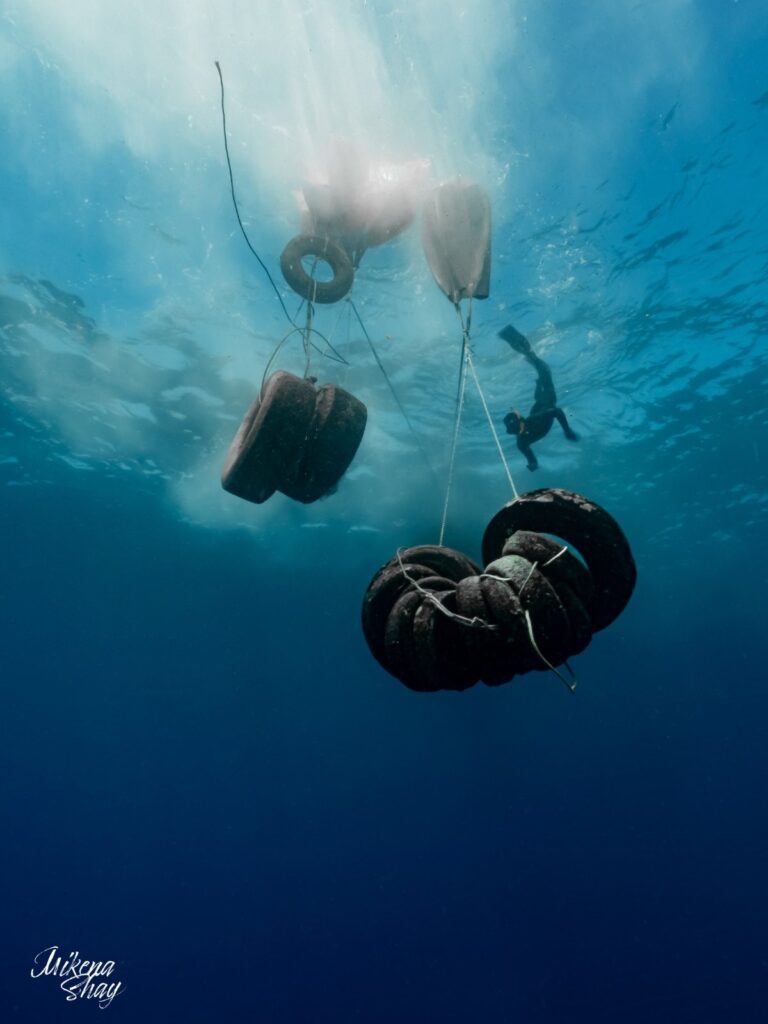
Being out on the ocean every day keeps the importance of conservation and clean water top of mind. A big focus of Body Glove Hawaii’s sustainability has been through ocean cleanups and reef protection. They use low-flow sinks and toilets, and they provide complimentary reef-safe sunscreen on all of their cruises.
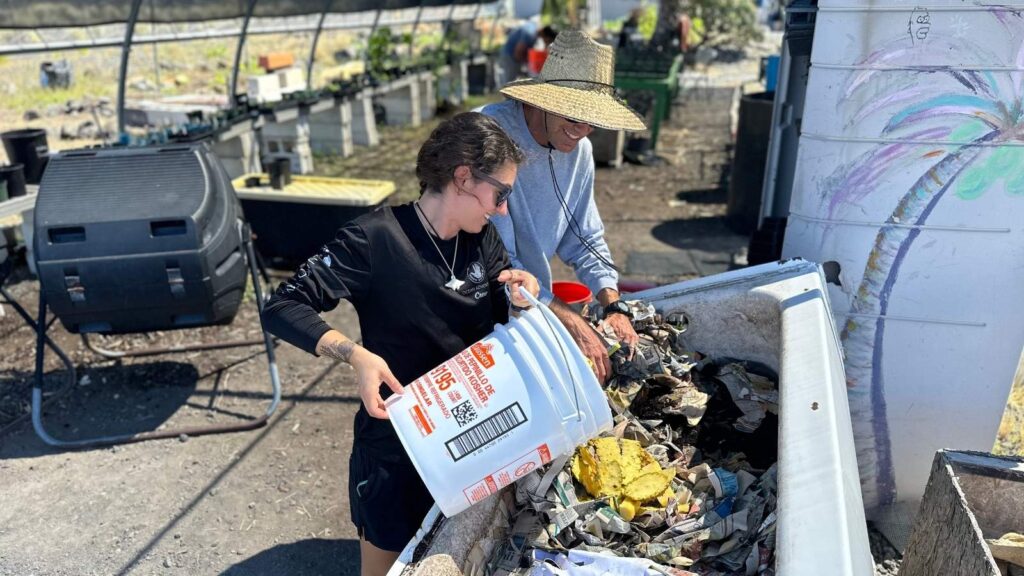
They’ve also committed to serving 100% plastic-free disposables, as well as recycling all glass, aluminum, and plastics. A food waste composting system is Body Glove’s most recent initiative to further reduce their contribution to the landfill. In the first two months of operation, they composted around 3,000 pounds of food scraps!
The Cost (and Creativity) of Doing it Right
Transitioning toward greener operations hasn’t been without hurdles.
“One of the biggest challenges has been balancing cost and convenience with doing things the right way,” Bell said. “Choosing local and sustainable options is sometimes more expensive or harder to source, but we’ve committed to it because it supports the community and keeps money in Hawaiʻi.”
To make this work, Body Glove has built strong relationships with local suppliers and are transparent with guests about why those choices matter.
Bell said what excites him most is how creative sustainability can be. “The last single-use item we have are our ice bags, and we found a local company on the island that transforms them into earrings, pouches, and other items,” he said. “We’ve even started selling them in our gift shop, which closes the loop and turns waste into something guests love to take home.”
Measuring Impact & Inviting Participation
Body Glove doesn’t just implement practices—it tracks them. “We measure how many pounds of food waste are diverted through composting, how much ocean debris we remove in cleanups, and how much carbon we have offset through Carbon Buddy,” Bell said. These metrics help anchor their sustainability not as vague goals but as visible progress.
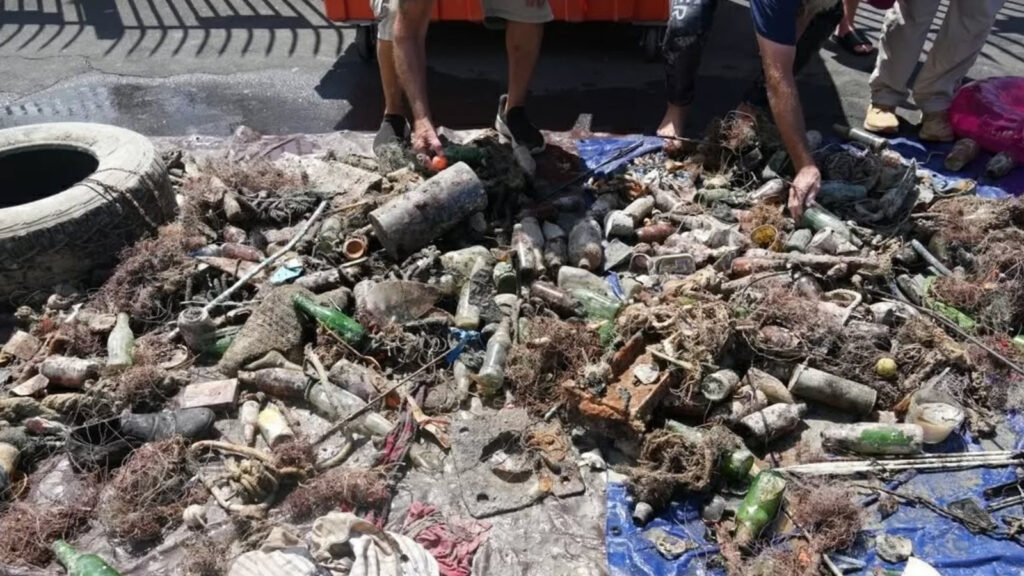
At the time of this post’s publication, Body Glove Hawaii’s Clean Seas Initiative reports the following metrics:
- 550 tons of carbon offset since 2019
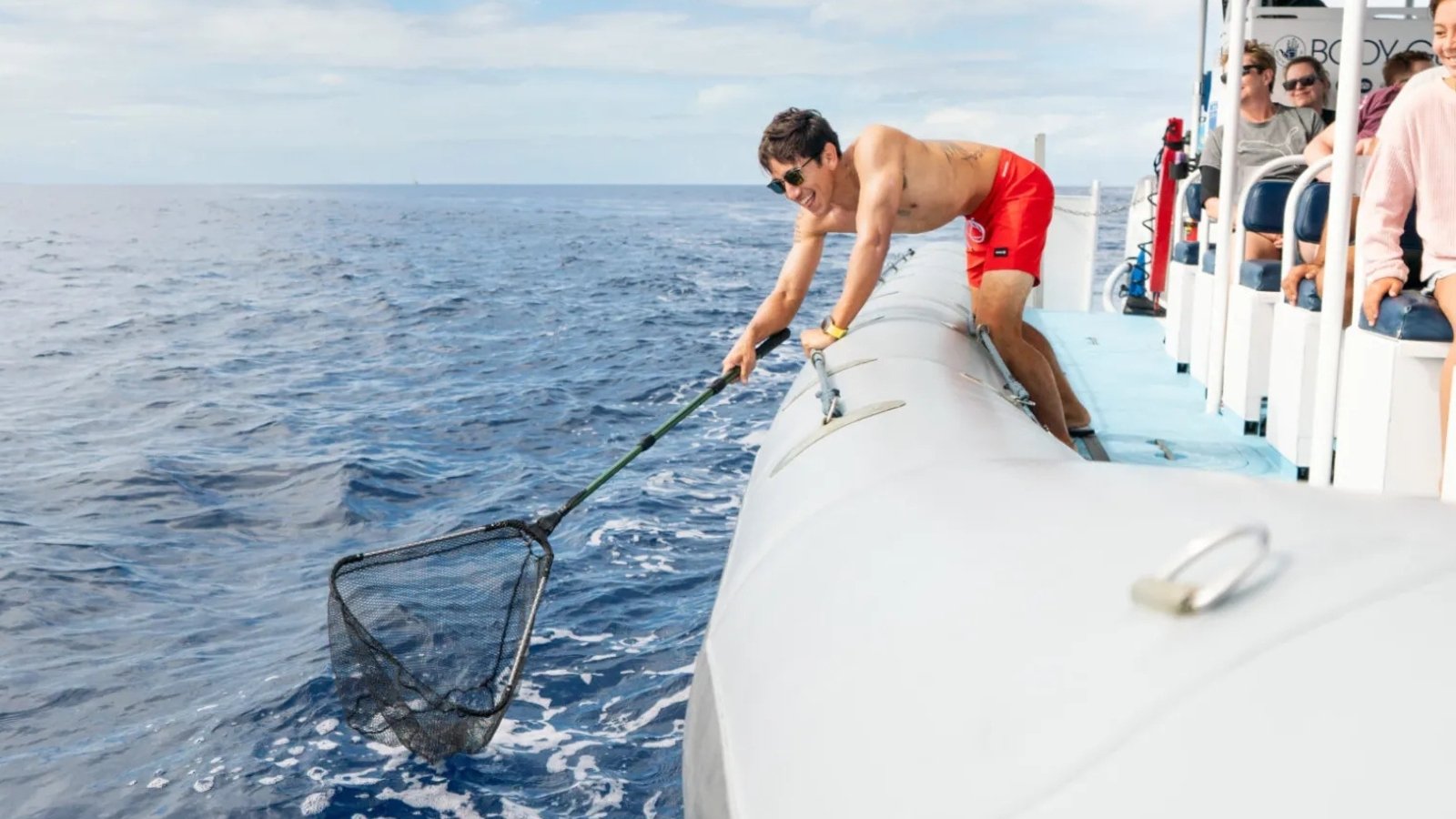
- 553 pounds of debris removed from the ocean since 2023
- More than $13,000 donated to local sustainable initiatives
From Bell’s perspective, tracking these numbers keeps them accountable. It shows both their team and their guests the difference they are making.
Body Glove sees itself as having the opportunity to lead by example. “When other operators see that sustainability can work in day-to-day operations and still keep guests happy, it makes it easier for them to take that step, too,” Bell said. He encourages those who want to adopt more sustainable practices to start small and stay consistent. “Swap out single-use plastics, track your impact, or partner with a local group. Those small wins build momentum and show your team and guests that it’s possible.”
Looking Toward the Future
The devotion Body Glove has for sustainable tourism extends to making sure guests leave with a real connection to Hawaiian culture—sharing history, stories, and honoring the places they visit. As they look toward the future, Bell said they want to put an even bigger focus on education. “We want to make sure every guest leaves their tour with a better understanding of how to care for the ocean,” he said.
For Body Glove Hawaii, sustainability is both a mission and an ongoing journey. “Over the next 5 to 10 years, our goal is to deepen partnerships with local farmers and suppliers so more of the food we serve on board is grown here in Hawaiʻi,” Bell said. And while the majority of guests opt to offset their tour when given the choice during the checkout process, Body Glove has a goal to grow their carbon offset program so every single tour is covered.
Body Glove offers an approach that shows what’s possible when a business sees itself as part of the ecosystem it relies on. With goals to deepen local connections, increase carbon offsets, and empower guests through education, they recognize that all of their decisions, both big and small, can have real impacts on the island and beyond.
TOMIS is excited to partner with businesses like Body Glove Hawaii, and to support tourism operators as they strive to balance their environmental impact with creating meaningful guest experiences.